WHY LAUGHING WITH YOUR KIDS (AND YOURSELF) IS SO IMPORTANT
By Nicole Fuge
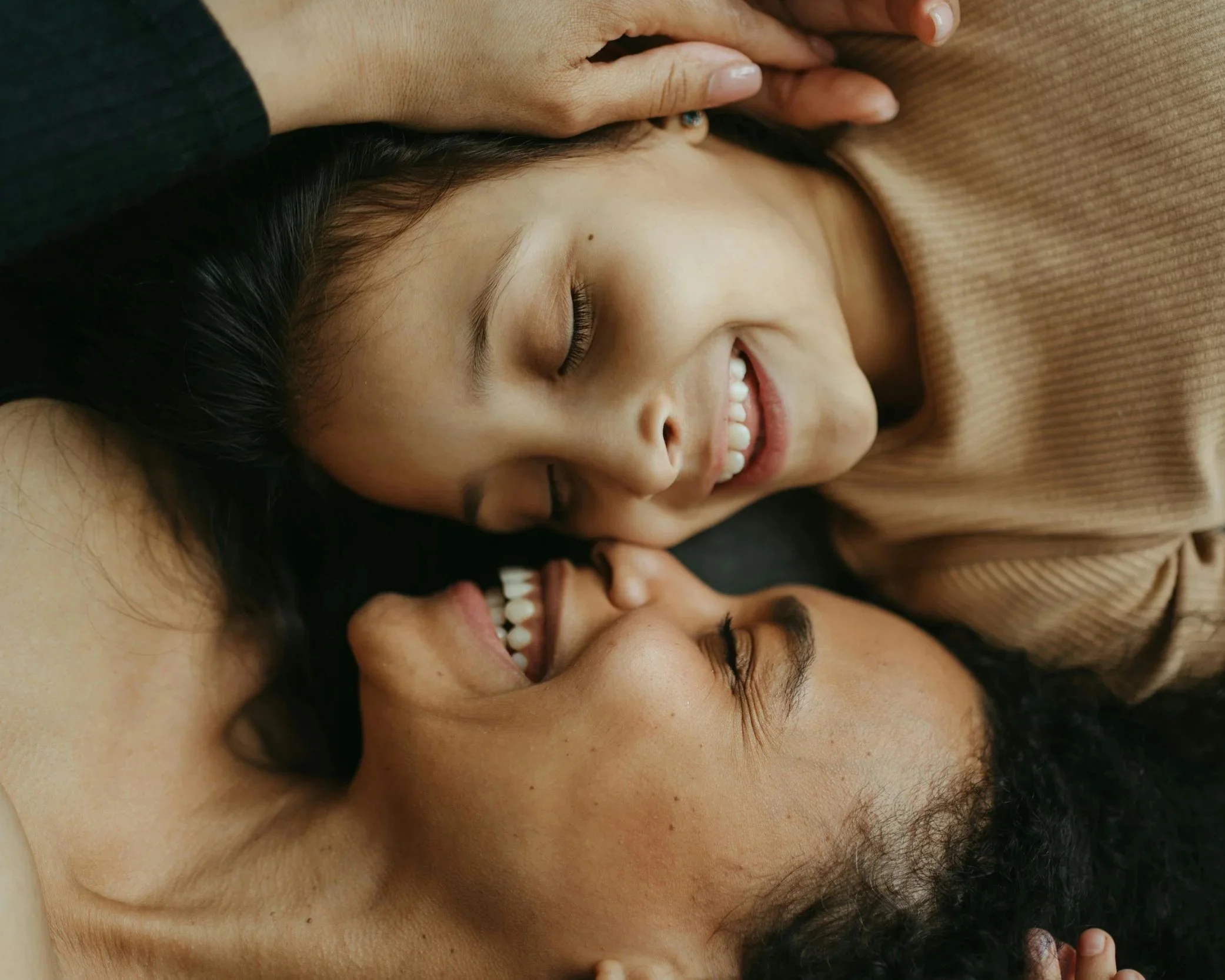
Motherhood is full of highs, lows, and everything in between. Between school runs, laundry mountains, and endless “why” questions, it’s easy to forget one of the simplest ways to boost your mood: laughter. But it turns out, laughing isn’t just fun—it’s essential for your mental and emotional wellbeing.
WHY LAUGHTER IS ONE OF THE FIRST THINGS TO GO
Psychologist Taash Balakas spends a lot of time talking to women and parents about the emotional load, the overstimulation, the guilt and the never ending pressure to ‘do it right’ and she says what often gets lost in all of that is laughter – real, unfiltered, belly laughter with our kids and even with ourselves.
“So many mums tell me laughter is one of the first things to go, and honestly it makes sense,” she says.
“Motherhood adds layers of responsibility, overstimulation and pressure to ‘hold it all together’. When your brain is constantly scanning for what needs to be done next, it moves into survival mode.
“Survival mode doesn’t leave much room for lightness. Laughter requires a tiny bit of spaciousness, any moment where you feel safe enough to let your guard down. Most mums don’t get that without support.”
Why laughter matters
Laughter is more than a cute moment, Taash says it’s literally a biological reset, because when we laugh our cortisol drops, our parasympathetic nervous system kicks in and our brain releases endorphins and dopamine.
“Laughing tells your nervous system, ‘We’re safe’. Your brain releases feel-good chemicals, your muscles loosen, your breathing deepens and your stress response turns down,” she says.
“It’s like your whole body unclenches. For parents who spend hours in high alert, that reset is powerful. It gives your brain a chance to switch out of tension and into connection.”
She says for mums in particular, laughing with our kids can really cut through the mental noise of the day.
“Shared laughter is one of the quickest ways to build safety between a parent and child. When you laugh together, your child’s nervous system copies yours. They feel your warmth, your softness and your presence. It signals to them, ‘You’re safe with me’.
“Those tiny giggle moments help regulate their little bodies, strengthen attachment and teach them that relationships can hold both the hard and the joyful.”
And don’t forget about laughing with yourself, too!
“Laughing with yourself matters more than people realise. Solo laughter is the private stuff; snorting at your own intrusive thoughts, laughing at that thing you remembered from 2009, or smiling at how dramatic your inner monologue can be. It’s self-compassion in disguise,” Taash says.
“Those moments remind your brain that you’re human, imperfect and allowed to find things funny, even when life feels big. That internal playfulness is a buffer against burnout because it stops everything feeling so heavy and serious.”
ways to invite more laughter
“If you’re overwhelmed or overstimulated, you don’t need to force humour. Think small. Tiny pockets of lightness count,” Taash says.
“Perhaps say something silly to your toddler at bath time, or try to remember one of your favourite funny movies. Even put on a funny podcast. Let yourself laugh at the chaos instead of fighting it. Share a meme with a friend who gets it.
“These micro-moments help your brain step out of intensity and soften, even for a few seconds.”
LIVE WELL, LAUGH OFTEN (BUT DON’T MAKE IT ANOTHER TO-DO)
“Laughter isn’t frivolous. It’s not the “extra” thing you get to enjoy once everything else is done,” Taash says.
“It’s a survival tool. It keeps parents emotionally flexible, connected and grounded. And sometimes it’s the one tiny spark that pulls you back to yourself on the days where you feel stretched thin.”
MUSE PAPER
ISSUE 09